


Frequently Asked Questions
FAWE Tanzania serves girls, boys, young women, teachers, parents, school communities, and other education stakeholders. Priority is given to marginalized, vulnerable, and disadvantaged learners, particularly girls who face barriers to accessing and completing quality education.
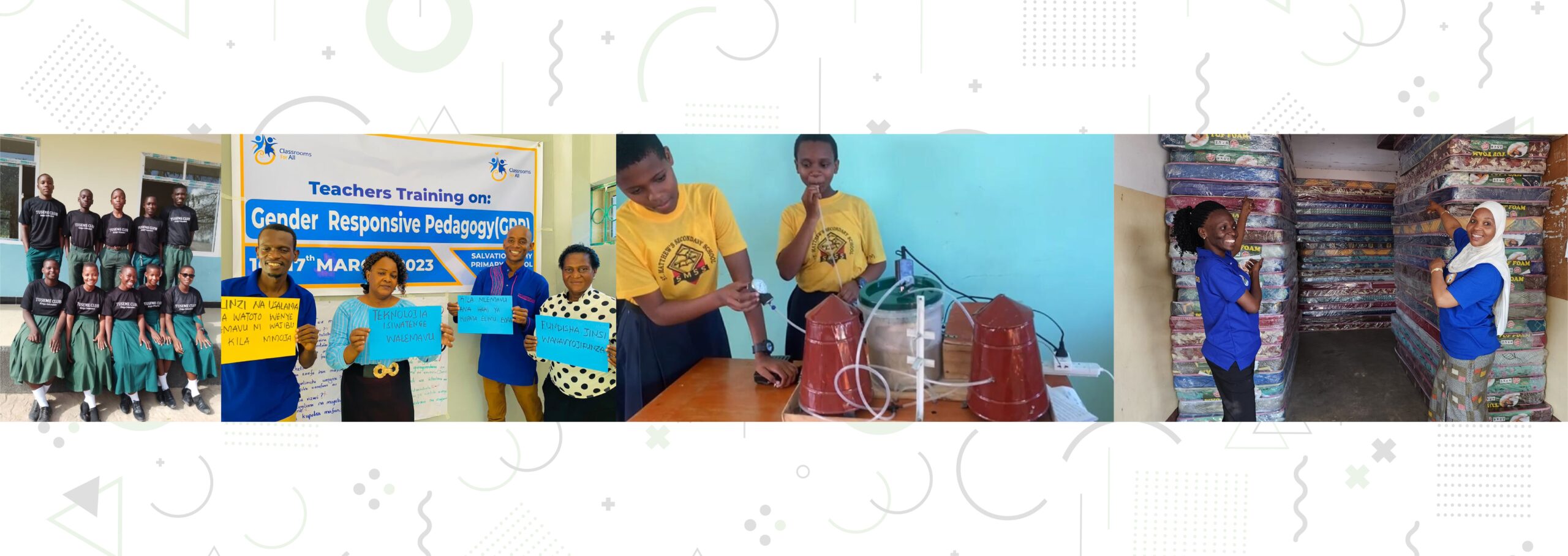
Students may benefit through various FAWETZ interventions, including bursary support, STEM programs, TUSEME clubs & Centres of Excellence (COEs). Opportunities are usually announced through schools, local government authorities, community leaders, and FAWETZ partners. Eligibility depends on the specific program requirements.
Schools can collaborate with FAWETZ by participating in programs such as Gender Responsive Pedagogy (GRP), TUSEME, STEM initiatives, and Centres of Excellence. Interested schools may contact FAWETZ directly or work through District Education Offices and relevant government authorities to explore partnership opportunities.
Parents and community members play a critical role in ensuring children remain in school and succeed academically. They can support girls' education by encouraging regular school attendance, preventing early marriages and child labor, promoting equal opportunities for girls and boys, participating in school activities, and advocating for safe and inclusive learning environments within their communities.
Yes. Through its Bursary Support Program and other education initiatives, FAWETZ provides educational assistance to vulnerable and deserving learners based on available funding and program criteria. Support may include school fees, learning materials, transportation, and other essential educational needs.